Yamywyh

Lately, it’s been pretty clear that people want high-quality glass light switches more than ever. This rising demand has actually led to the rise of specialized factories known as Light Switch Glass Factories. These places focus on making products that aren’t just functional but also look really sleek and stylish. A 2022 market report from Global Industry Analysts even predicts that the glass switch industry could hit around $1.5 billion by 2027 — so clearly, folks are into upgrading their homes and offices with nicer lighting solutions.
Industry pros like John Smith, who’s pretty big in the glass manufacturing world, say that getting it just right is all about precision. He’s quoted saying, “A Light Switch Glass Factory needs to find that sweet spot between artistry and engineering.” It’s not just about churning out switches—it’s about creating a better environment overall. The challenge is juggling quality, design, and keeping production smooth.
That said, a lot of factories face issues with quality control and waste. In the rush to keep up with demand, some tend to forget the importance of sustainable practices. Making one of these glass switches isn't just a simple process; it involves several steps, from sourcing raw materials to doing final checks. Each step needs attention. As the industry keeps evolving, there’s definitely a growing need for innovation and more sustainable methods in these factories — it’s kind of a balancing act, right?

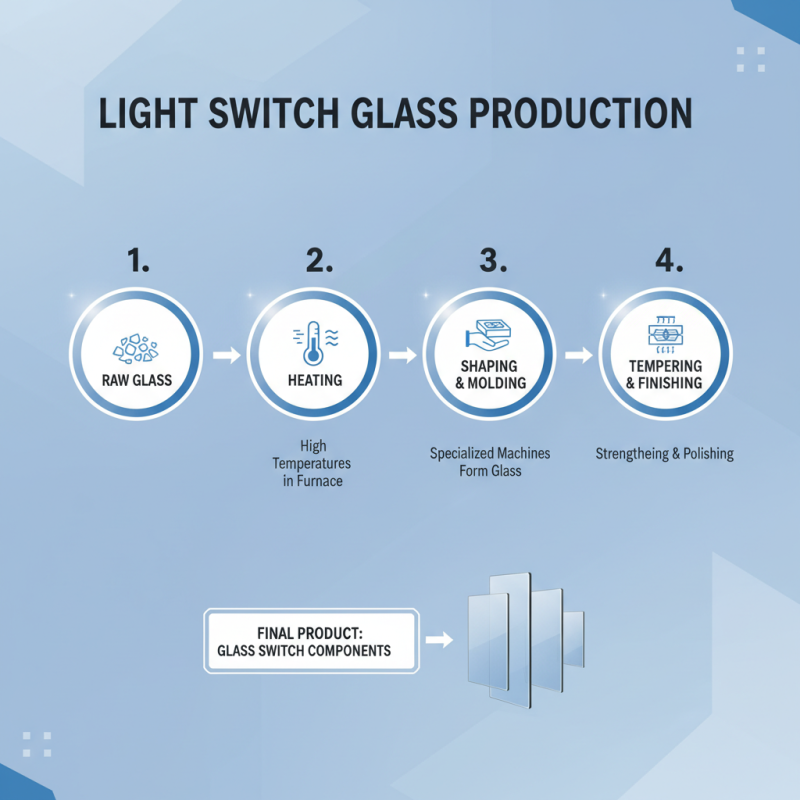
A light switch glass factory specializes in producing glass components for light switches. These factories often use specialized machines to shape and temper glass. The intricate process begins with raw glass, which is heated to high temperatures. The glass is then molded according to specific designs.
The workers in these factories play a crucial role. They handle the glass carefully to avoid breakage. Quality control is essential. Each piece is inspected for defects before moving to the next stage. However, mistakes can happen. Sometimes, a batch might not meet the required standards. This can lead to waste, prompting the factory to reflect on its processes.
Sustainability is another concern for these manufacturers. Reducing waste and recycling materials is becoming a priority. Still, this transition isn’t always smooth. Factories often face challenges in implementing eco-friendly practices. They must balance production needs with environmental responsibility.
The production of light switches often relies on high-quality materials. One of the most critical components is glass.
Light Switch Glass,
with its sleek finish and durability, enhances the overall design of a switch. The clarity and transparency of the glass allow for stylish illumination.
It also provides an elegant touch to modern interiors.
However, not all glass used in light switches is the same. Variations in thickness and quality can lead to significant differences. Some factories may fall short
in quality control, risking cracks or breaks. It's essential for manufacturers to ensure their glass selection is flawless.
Poor choices can lead to defective products. Clients and consumers often overlook these details until problems arise.
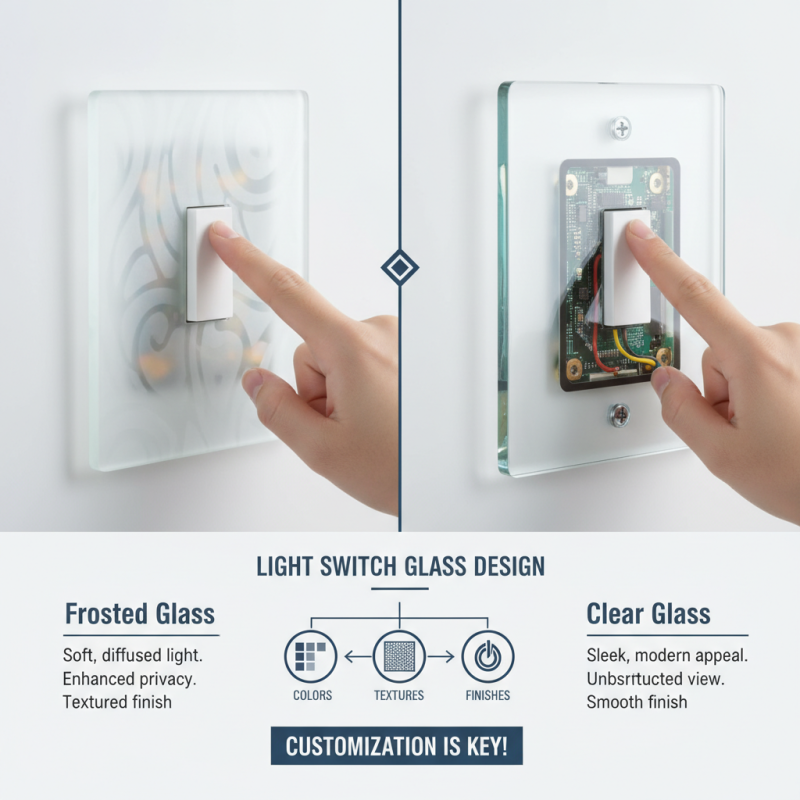
Moreover, the color and texture of Light Switch Glass can significantly impact aesthetics. Clear glass offers versatility,
while frosted options can provide privacy. Balancing beauty and functionality is crucial. Not every design approach meets the desired outcome.
Continuous improvement in the production process is vital for success in this competitive market.
In the manufacturing of Switch Light Glass, the selection of materials is crucial. Commonly, factories use a blend of tempered glass and specialized coatings. Tempered glass can withstand high temperatures and thermal shock. This makes it essential for light switches exposed to varied conditions. Coatings enhance clarity and reduce glare, which improves usability.
Additionally, certain additives can improve the durability of the glass. For instance, integrating UV-protective layers extends the lifespan of light switches. Industry reports suggest that the demand for high-quality glass in this sector has increased by 15% over the past five years. This reflects consumers' preference for both functionality and aesthetics.
However, not all factories achieve the same level of quality. Variability in sourcing raw materials can lead to inconsistencies. Producers often face challenges with supply chains. This inconsistency can affect production timelines and customer satisfaction. Effective quality control measures are essential yet sometimes overlooked, leading to potential issues down the line. Ensuring that every batch of Switch Light Glass meets high standards is a necessity for success.
| Material | Description | Purpose |
|---|---|---|
| Low-iron Glass | A type of glass with reduced iron content for increased clarity and light transmission. | Used for making transparent light switch covers. |
| Tempered Glass | Glass made through a process of extreme heating and rapid cooling. | Provides strength and safety for light switch applications. |
| Ceramic | A high-temperature resistant material often used for decorative designs. | Used for making decorative and robust switch plates. |
| Coatings | Specialized finishes applied to glass to enhance aesthetics and functionality. | Used to create varying textures and colors for visual appeal. |
| Silicone | A flexible material used for sealing and insulation. | Ensures waterproof and dustproof functionality in switches. |
The manufacturing process of light switch glass involves several key steps. High-quality materials are crucial. Manufacturers start with raw glass. This glass is often heated to a molten state, allowing for easy manipulation. Once heated, it can be shaped into various forms. Workers carefully monitor the temperature. Inconsistencies can lead to defects.
After shaping, the glass undergoes tempering. This involves rapid cooling, enhancing strength. A Tempered Glass Light Switch can resist higher impacts than regular glass. However, not all tempered glass is perfect. Sometimes, unforeseen bubbles form during cooling. These imperfections can weaken the final product.
Next, the glass is polished. This step ensures smooth edges and a flawless finish. Workers inspect each piece for defects. Attention to detail is essential. Even minor flaws can affect functionality. Once approved, the glass is assembled into light switches. The entire process demonstrates both artistry and precision. Yet, it requires continuous improvement and reflection.
This bar chart illustrates the time taken in hours for each step in the manufacturing process of light switch glass. Understanding the timeline helps in optimizing production efficiency and resource allocation.
Quality control is crucial in any manufacturing process, especially in a light switch glass factory. The production of glass requires precision. Small errors can affect the final product. Each piece must meet specific standards to ensure safety and functionality.
In the glass production process, inspection occurs at various stages. Workers check raw materials before melting. They also monitor the glass during shaping. At the end, finished products undergo further testing. These measures help identify defects. However, imperfections can still slip through. Occasionally, it’s difficult to spot flaws with the naked eye.
China Light Switch Glass manufacturers strive for high-quality output. Yet, the complexity of glass production presents challenges. Sometimes, machinery malfunctions or human errors occur. Improving these processes should be a continuous goal. Quality must always be a top priority. Maintaining consistency is not always easy. Companies must invest in training and equipment to minimize issues.
When it comes to light switch glass design, customization is key. Homeowners can choose from a variety of colors, textures, and finishes. Each option adds a unique touch to interior spaces. For instance, frosted glass can create a soft, diffused look. It enhances privacy while allowing some light to filter through. Clear glass, on the other hand, provides a sleek, modern appeal.
In addition to colors and textures, homeowners can also consider patterns. Etched designs or vibrant prints can express personal style. Many people find that these custom options transform mundane switches into statement pieces. However, it’s important to remember that not all designs may suit every room. Overly elaborate patterns might clash with simpler decor. Balancing aesthetics with functionality is essential.
Accessibility is another area for customization. Some designs may be too high or hard to operate. Ensuring that switches are user-friendly can be overlooked. This can lead to frustration. Ultimately, the goal is to enhance both beauty and practical use in your space. Each choice should reflect personal taste while considering everyday functionality.
The light switch glass industry is evolving rapidly. Manufacturers are adapting to new consumer preferences and sustainability trends. The global market for glass materials is projected to reach $150 billion by 2025, driven by increased demand in various sectors. Key players are focusing on eco-friendly materials and innovative designs.
Sustainability is crucial. A recent report highlights that 70% of consumers prefer eco-friendly products. This shift impacts how factories operate. Many are investing in energy-efficient technologies to reduce carbon footprints. The use of recycled materials is becoming standard. However, challenges remain in sourcing quality glass that meets these criteria.
Tips: Consider choosing products that highlight sustainability. Look for manufacturers that prioritize environmentally friendly practices. Also, keep an eye on design trends. Minimalist styles are becoming popular. Remember, the choices you make today will shape the future of this industry. Industry reports suggest that up to 40% of new designs focus on aesthetic appeal. Balancing style and sustainability is essential for success.
: Regular exercise improves physical health and boosts mental wellness. It helps in weight management and enhances mood.
Most adults need 7-9 hours of sleep. Quality matters, so prioritize consistent sleep patterns.
Occasional indulgence is okay. However, too much can impact health negatively. Moderation is key.
Thirst, dry mouth, and fatigue indicate dehydration. Dark urine and dizziness are also common signs.
Limit distractions and create a dedicated workspace. Short breaks can help recharge focus effectively.
Stress is a common response to challenges. Acknowledging it can lead to better coping strategies.
A Light Switch Glass Factory specializes in the production of glass components used in light switches, which play a crucial role in both functionality and aesthetic appeal. The importance of glass in this industry lies in its durability, versatility, and ability to blend seamlessly with modern design trends. Key materials used in manufacturing include high-quality glass and various coatings, which contribute to the overall performance and look of the light switches.
The manufacturing process involves several stages, from design conception to final production, ensuring that every piece meets strict quality control measures. Customization options allow clients to choose unique designs, colors, and finishes, reflecting personal taste and enhancing interior décor. As the industry evolves, future trends are likely to focus on sustainable practices and innovative designs, further solidifying the significance of the Light Switch Glass Factory in modern electrical solutions.