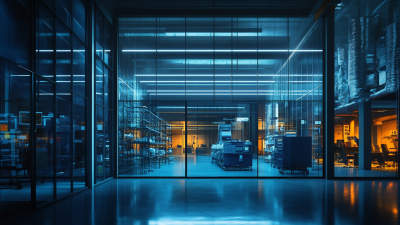
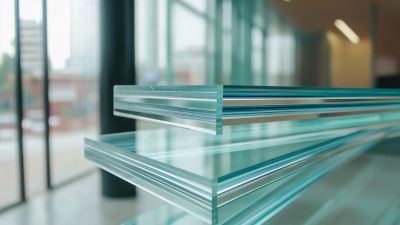
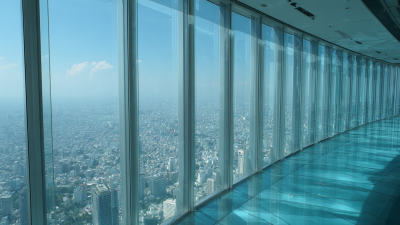
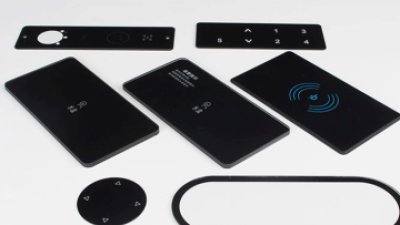
Lately, advancements in architecture have really highlighted how powerful High Transparency Glass can be. It’s not just about making buildings look better — though it definitely does that — but it also helps with energy efficiency and brings in lots of natural light. I came across a report from ResearchAndMarkets that predicts the global market for architectural glass could hit around 188 billion USD by 2026. And a big part of this growth is due to High Transparency Glass, thanks to its excellent light transmission and how little it distorts the view. Dongguan Fuxin Glass Technology Co., Ltd. has been leading the charge in this area for over ten years. They focus on all sorts of specialized glass — like display glass, AG glass, AR glass, AF glass, and even AM glass — pushing the envelope when it comes to innovative solutions. It’s clear they’re really setting the pace for how modern buildings can benefit from using high transparency glass in cool, practical ways.
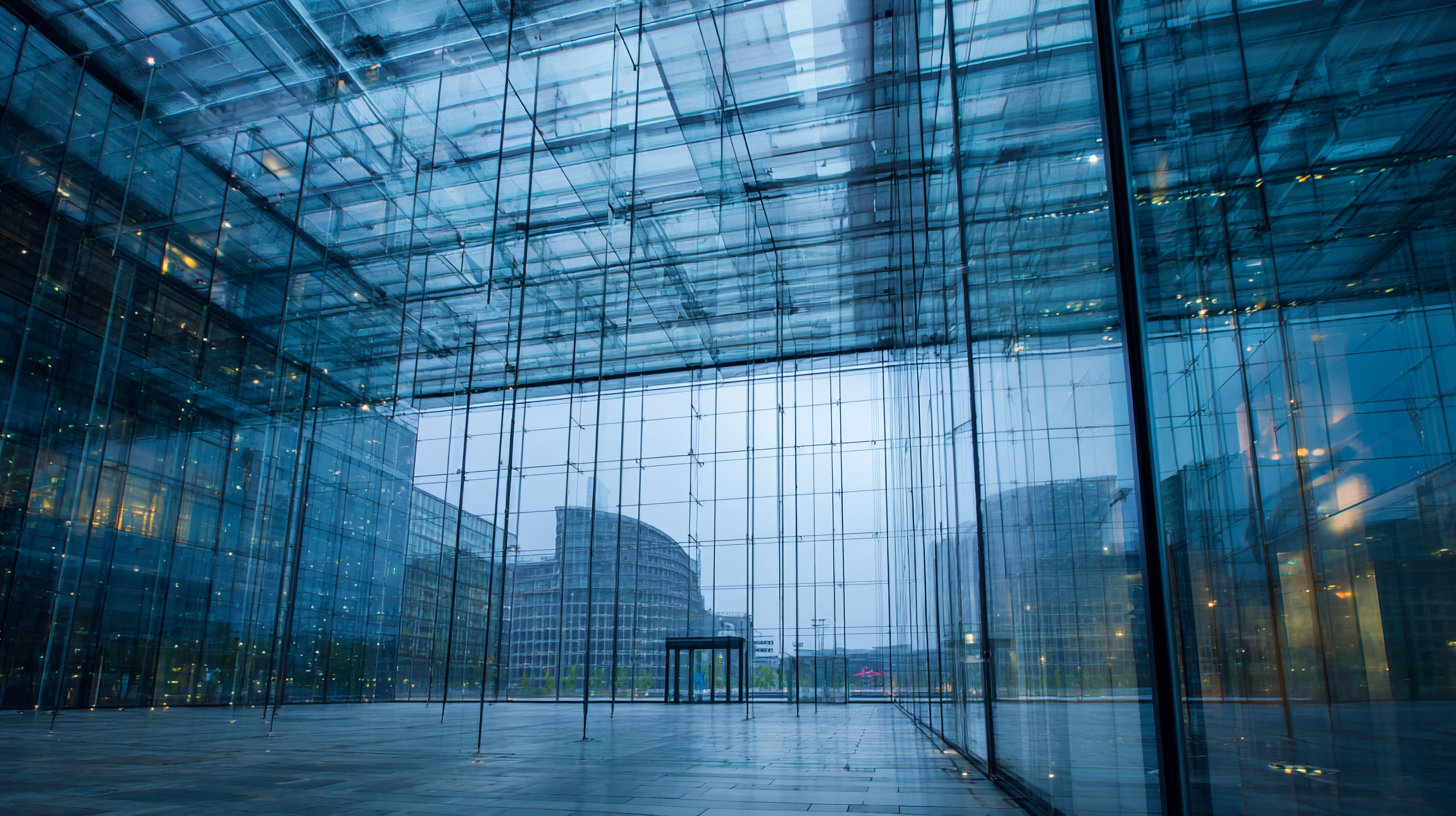
Innovative Design: How High Transparency Glass Enhances Aesthetic Appeal in Architecture
High transparency glass is really becoming a big deal in modern architecture these days. It’s honestly changing the game when it comes to how buildings look and feel. I came across a report from the Global Glass Market that said the demand for this kind of glass has shot up by about 20% over the past five years. Why? Well, it’s super effective at creating open, airy spaces that kind of blur the lines between inside and outside. Plus, it lets in loads of natural light and gives you those awesome, unobstructed views. Architects love it because they can design spaces that really feel connected to their environment. For example, buildings with high transparency glass have been shown to cut artificial lighting needs by up to 30%, which is pretty great for saving energy, but it also just looks stunning, honestly.
On top of that, using this glass opens up a ton of creative options for modern design. Think curved facades or intricate patterns that bounce around the light in really beautiful ways. According to a study by the International Association of Glass in Building, projects with high transparency glass tend to fetch higher market value — sometimes up to 15% more than buildings made with traditional materials. Pretty cool, right? It seems like people are really leaning towards buildings that are not only stylish but also sustainable, and high transparency glass is definitely playing a major role in shaping what architecture will look like in the future.
Innovative Benefits of High Transparency Glass in Modern Architecture
Energy Efficiency: The Role of High Transparency Glass in Reducing HVAC Costs
High transparency glass is really changing the game in modern architecture. It’s all about letting in more natural light, which not only makes spaces feel brighter and more open but also helps cut down on energy costs. One of the coolest perks? It can actually reduce your HVAC bills. Since it lets in more sunlight, you don’t need as much artificial lighting, and it helps keep indoor temperatures pretty comfortable — so you’re saving energy all year long.
If you're looking to squeeze even more efficiency out of this glass, going for double or triple-glazed panels is a smart move. Those extra layers help keep the heat where it belongs — indoors during winter, and outside during summer. And stuff like shading devices or reflective coatings can work wonders, keeping things cooler without messing up the look of your place.
For homeowners and architects alike, thinking about where your windows face can make a big difference. For folks in the northern hemisphere, positioning high transparency windows toward the south can really help capture sunlight during winter, bringing in warmth and light. Adding overhangs or shading features can also help keep things cool in the hot months. All these small tweaks make high transparency glass not just a sustainable choice but also a way to make your living or working space way more enjoyable and efficient.
Natural Lighting: Maximizing Daylight with High Transparency Glass for Healthier Spaces
You know, in modern architecture these days, high transparency glass is really changing the game when it comes to bringing natural light into buildings. It’s pretty amazing how much daylight you can let in, and honestly, it’s not just about the looks — it makes spaces feel way more inviting and lively. Plus, having plenty of sunshine can actually lift your mood, help you focus better, and just make the whole living or working environment healthier overall.
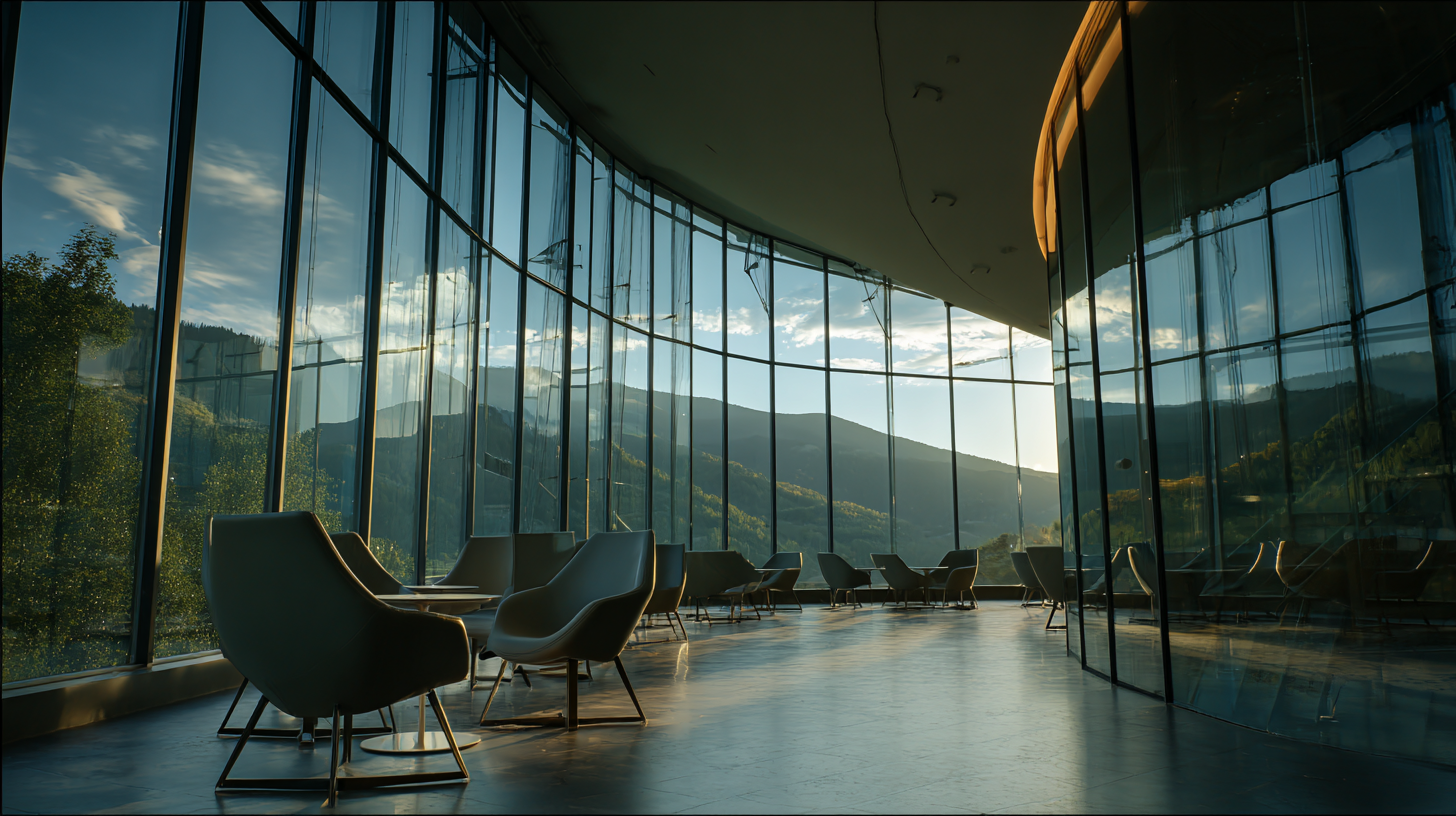
If architects and designers really want to take full advantage of this cool material, a few simple tips can make a big difference. For starters, positioning those glass panels in line with the sun’s movement can help flood interiors with natural light all day long. Another trick is adding operable windows—these can boost ventilation, letting fresh air in during warmer months, so you get the best of both worlds: light and fresh air. And don’t forget about using reflective surfaces around the space; they can bounce light further, making everything feel even brighter and more welcoming.
By following these tips, not only do you get the most out of high transparency glass, but you’re also creating interiors that are healthier and more connected to nature — which is always a win in today’s modern architectural landscape.
Sound Insulation: The Acoustic Benefits of High Transparency Glass in Urban Environments
High transparency glass is really changing the game in modern architecture. It’s not just about how good it looks—though it definitely does look sleek—but also about making city life better, especially when it comes to noise. In busy neighborhoods, noise pollution can seriously mess with people’s quality of life. That’s where high transparency glass comes in. It does a pretty amazing job at blocking out the city’s hustle and bustle, keeping interiors peaceful without sacrificing all that gorgeous natural light. Honestly, that kind of noise insulation is a big deal in urban areas where finding your quiet spot isn’t always easy.
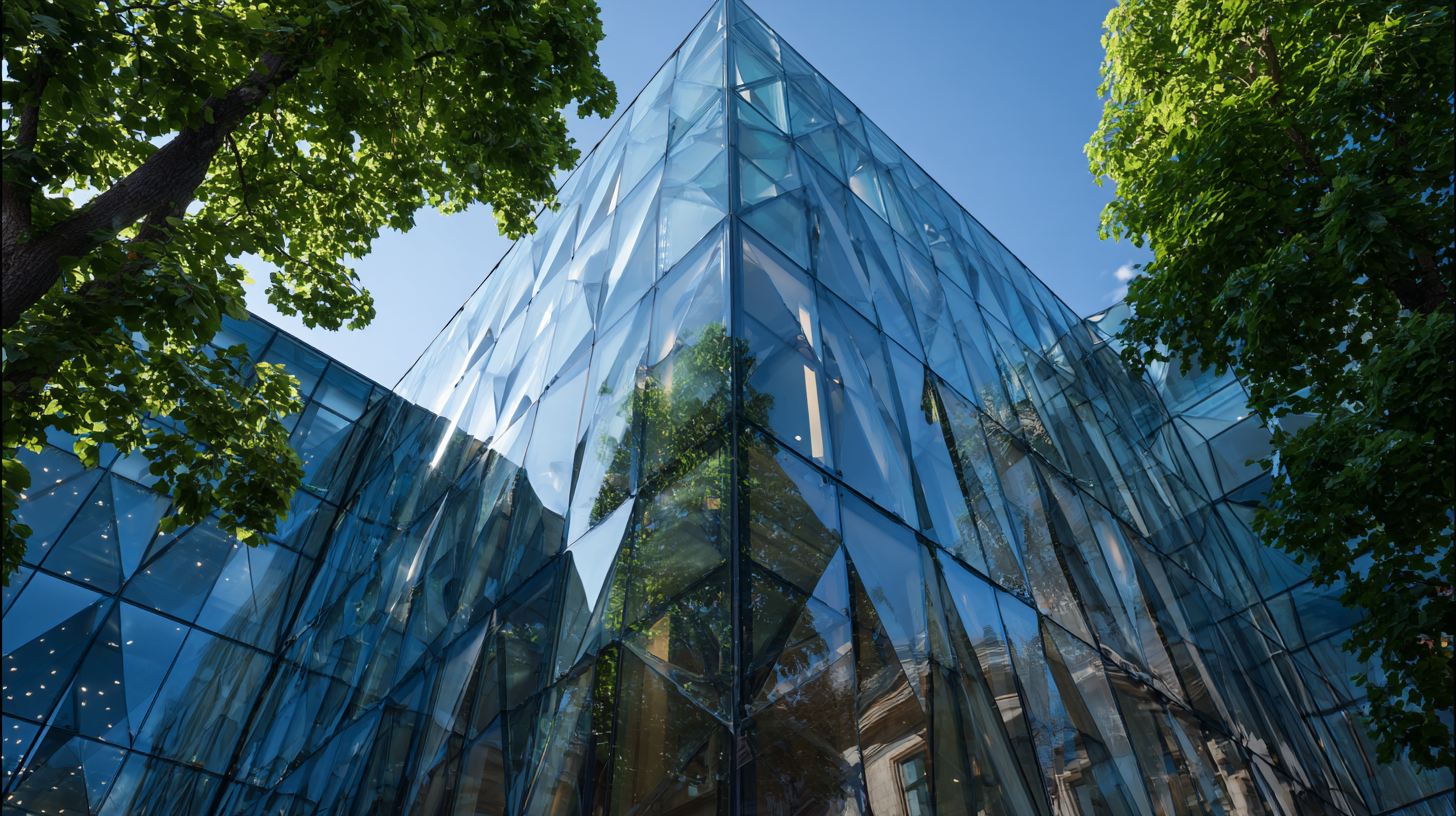
Over at Dongguan Fuxin Glass Technology Co., Ltd., we've spent over ten years working on pushing glass technology forward—covering everything from display glass to specialized types like ag glass, ar glass, af glass, and am glass. We’re all about innovation and keeping things evolving. When we incorporate high transparency glass into architecture, it’s not just about making buildings look good—it’s also about connecting visually with the surroundings and helping create a quieter, more comfy city vibe. That’s what makes high transparency glass a pretty versatile and essential material for modern city structures, no doubt about it.
Sustainability Metrics: The Environmental Impact of Using High Transparency Glass in Construction
High transparency glass has really become a game-changer in modern architecture these days. It’s not just about looks—though it definitely does have a sleek, aesthetic vibe—it also packs some pretty impressive environmental benefits. One of the big perks is how it can boost energy efficiency. Basically, it lets in tons of natural light, meaning you don't have to rely so much on artificial lighting, which in turn cuts down on energy use. That’s a win for lowering the building’s carbon footprint, plus it creates a healthier, more comfortable indoor space for the folks inside.
If you're thinking of adding high-transparency glass into your designs, a few tips might help. For starters, try to position your buildings or windows to catch the sunlight during peak hours. Also, opt for advanced glazing options—these can seriously improve thermal performance and keep things cozy. And if you want to go all-in on tech, smart glass is pretty cool. It can switch from transparent to opaque depending on the light, helping control heat gain without blocking views.
Another bonus? High transparency glass can really help boost your chances of earning green building certifications like LEED. Using this material can bump up your score on sustainability assessments, which is a big deal these days given how eco-aware everyone’s become. So, next time you’re working on a project, think about how this kind of glass can not only up your design game but also align with your environmental goals for a more sustainable future.
Discover the Innovative Benefits of High Transparency Glass in Modern Architecture - Sustainability Metrics: The Environmental Impact of Using High Transparency Glass in Construction
| Sustainability Metric |
High Transparency Glass |
Traditional Glass |
Improvement (% Change) |
| Solar Heat Gain Coefficient (SHGC) |
0.30 |
0.45 |
33% Improvement |
| Visible Transmittance (VT) |
0.80 |
0.70 |
14% Improvement |
| U-Value (thermal performance) |
1.1 W/m²K |
1.9 W/m²K |
42% Improvement |
| Recycled Content (%) |
25% |
10% |
150% Improvement |
| Longevity (Years) |
30 |
20 |
50% Improvement |
Innovative Custom Smart Touch Tempered Glass Displays for Enhanced Home Appliance Experience with Advanced Coatings
The modern home appliance experience is being revolutionized by the integration of innovative custom smart touch tempered glass displays. These advanced solutions provide not only exceptional durability but also enhanced functionality tailored for a variety of applications. Featuring options like black silk-screen printing and a range of advanced coatings such as anti-reflective (AR), anti-glare (AG), and anti-fingerprint (AF), these glass displays elevate both aesthetics and usability. With multi-specification tempered designs, they are perfect for home appliances, electronic displays, and industrial touch panels, ensuring that they are resilient under frequent use.
In addition to their robust construction, our smart touch screen glass boasts impressive attributes such as scratch resistance and improved clarity, making them ideal for today’s high-performance environments. The seamless touch responsiveness ensures a smooth user interaction, essential for enhancing the overall user interface. Whether you opt for intelligent touch tempered glass, silk-screen printed panels, or fully customized electrical glass solutions, each product is precision-cut to meet your specific project requirements. Embracing these innovative displays not only enriches user experience but also positions home appliances at the forefront of technological advancement.
FAQS
: High transparency glass enhances natural light in indoor spaces, reducing the need for artificial lighting and minimizing heating and cooling demands, which lowers HVAC costs.
Choosing double or triple-glazed options is recommended, as they provide superior insulation and help prevent heat loss during colder months.
Shading devices or reflective coatings can limit excess heat gain while still allowing natural light to enter, improving overall energy efficiency without sacrificing aesthetics.
In the Northern Hemisphere, positioning high transparency glass to face south can maximize sunlight exposure during winter for warmth and light while using strategic overhangs to keep spaces cool in summer.
High transparency glass provides sound insulation that minimizes external noise, creating quieter interiors in densely populated areas while still allowing sunlight to enter.
The use of high transparency glass can contribute to higher scores in sustainability assessments like LEED, helping architects align with environmental goals and meet eco-conscious market demands.
By allowing more natural light into spaces and reducing reliance on artificial lighting, high transparency glass contributes to healthier indoor air quality and comfort.
Smart glass options that adjust transparency based on light conditions can effectively manage heat gain while maintaining visibility and energy efficiency.
Its ability to allow abundant natural light while providing a sleek and modern appearance makes high transparency glass a popular choice for contemporary architectural designs.
Conclusion
High Transparency Glass is really changing the game in modern architecture. It’s not just about looks—though let's be honest, it definitely boosts the visual appeal—it's also super functional. Its clever design makes it easy to blend into sleek, contemporary buildings, creating stunning facades that let in plenty of natural light, all while keeping that clean, minimalist vibe. And honestly, it’s a win for energy savings too—by filling up spaces with daylight, it cuts down on the need for artificial lighting and helps lower HVAC costs.
In busy city environments, this kind of glass does more than just look good. It helps dampen sound, making indoor spaces much quieter and more comfortable. Plus, using high transparency glass is pretty green—it supports eco-friendly building practices and reduces the environmental impact of construction projects.
At Dongguan Fuxin Glass Technology, we’re all about pushing the boundaries with high transparency glass solutions. Our team is constantly researching and working on innovations across different types of glass, so we can keep up with the ever-changing needs of today’s architecture.