You know, in the last few years, there's been a real boom in the demand for Waterproof Glass. A lot of this is thanks to some pretty cool advancements in construction technology, plus folks are just leaning more toward materials that not only look good but are also built to last.
I came across this report from MarketsandMarkets that says the global glass market is set to hit a whopping USD 267.0 billion by 2025.
And guess what? There’s a big chunk of that growth happening in specialized glass segments, especially with waterproof applications.
Take Dongguan Fuxin Glass Technology Co., Ltd., for instance. They've been in the professional glass game for over ten years and are really pushing the envelope when it comes to display glass.
They’re focusing on some pretty innovative stuff like ag glass, ar glass, af glass, and am glass.
For businesses and homeowners alike, understanding all the perks of Waterproof Glass is super important. Not only does it boost the longevity of products, but it also helps with energy efficiency and offers a lot of flexibility in design.
It’s definitely become a must-have for any modern project.
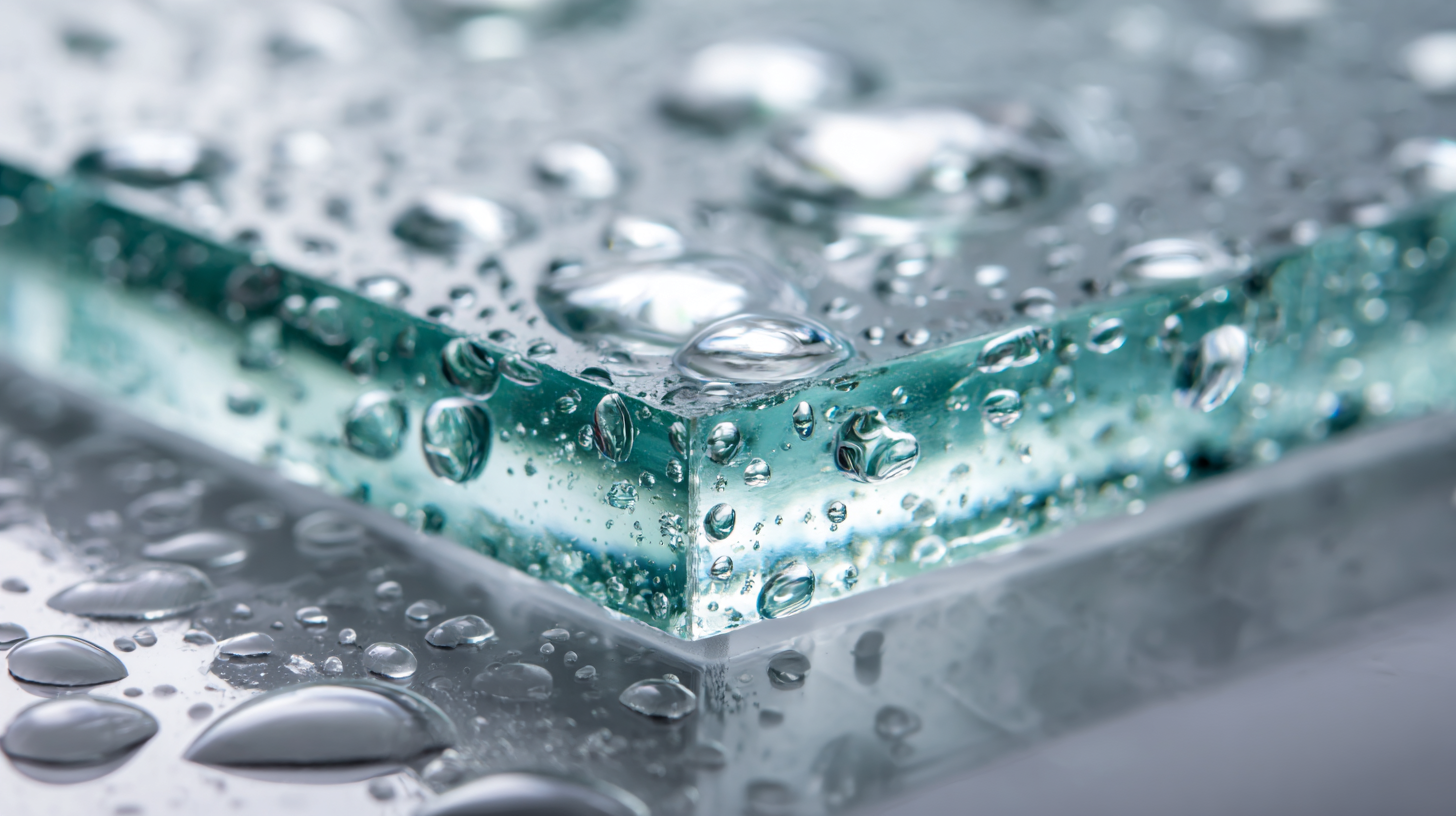
The Importance of Choosing High-Quality Waterproof Glass for Durability
So, when you're diving into a construction or design project, the materials you choose can really make a difference in how long things last and how they perform. I mean, take high-quality waterproof glass; it not only looks fantastic but is also incredibly durable—especially in places where moisture is a constant issue. There’s this report from Smithers Pira that says the market for waterproof glass is set to hit around $7 billion by 2025. That’s mainly because people are using it more and more in their architectural designs. It’s kind of cool to see how aware everyone is getting about the need for tough materials that can really stand up to time and the elements.
Plus, get this: studies have shown that buildings with top-notch waterproof features can cut maintenance costs by about 15% over the years! Using waterproof glass means you’re less likely to deal with leaks and water damage, which can spiral into expensive repairs and serious structural problems. So, when project managers choose to invest in the best waterproof glass, they’re not just making sure their buildings work well; they’re also keeping up the looks of these structures, season after season. And, let’s be honest, the durability of these materials can give property values a nice boost. In the end, picking out waterproof glass is a smart financial move for anyone serious about their project.
Understanding the Industry Standards for Waterproof Glass Performance
When selecting waterproof glass for your next project, understanding the industry standards for performance is crucial. Waterproof glass is not merely about resisting water; it involves a complex set of criteria that ensure durability, safety, and functionality. Key standards to consider include ISO 12543 for laminated glass, which outlines how to evaluate water resistance, and ASTM E331, which tests a product's ability to repel water under pressure. These guidelines ensure that the glass maintains integrity under various environmental conditions, making it suitable for both commercial and residential applications.
Moreover, different projects may require different levels of waterproofing, influenced by factors such as location, climate, and intended use. For example, glass used in aquatic environments or regions with high rainfall must meet stricter standards compared to glass in less demanding situations. By familiarizing yourself with these performance standards, you can make informed choices that not only enhance the aesthetics of your project but also guarantee lasting durability and effectiveness against water intrusion.
7 Compelling Reasons to Choose the Best Waterproof Glass for Your Next Project
| Reason |
Benefit |
Performance Standard |
Applications |
| Durability |
Resistant to extreme weather conditions |
ASTM E331 |
Commercial buildings |
| Energy Efficiency |
Reduces heating and cooling costs |
NFRC ratings |
Residential and commercial |
| Aesthetic Appeal |
Enhances building design |
No specific standard |
Facades, interiors |
| Safety |
Prevents breakage and injuries |
ANSI Z97.1 |
Skylights, shower enclosures |
| Cost-Effectiveness |
Long-term savings on repairs |
N/A |
All applications |
| Easy Maintenance |
Fewer cleaning and upkeep costs |
N/A |
All applications |
| Environmental Impact |
Sustainable and reduces waste |
LEED criteria |
Green buildings |
Cost-Effectiveness: Long-Term Savings When Using Waterproof Glass
So, when you’re planning your next project, let’s talk about materials for a sec. You know, cost is super important, and that’s where waterproof glass really shines. Sure, at first, it might look like it costs more than the usual glass, but trust me, those initial bucks pay off big time later. Why? Well, waterproof glass can save you from those nasty water damage surprises that can end up costing you a fortune in repairs and replacements. Plus, it's tougher than regular glass, which means it holds up better against the elements, making it last longer, so you won’t have to fork out cash for replacements as often.
And get this, waterproof glass is pretty good for your wallet in the energy department too. It offers better insulation, which means your heating and cooling systems don’t have to work as hard—hello, lower energy bills! On top of that, it’s easier to clean and resists mold and mildew, so you’ll be spending less time and money on maintenance compared to standard glass. All in all, when you invest in waterproof glass, you’re not just ensuring your project lasts; you’re setting yourself up for some serious savings down the line.
Cost-Effectiveness: Long-Term Savings When Using Waterproof Glass
Aesthetic Advantages of Waterproof Glass in Modern Architecture
You know, waterproof glass is really catching on in modern architecture these days—it's not just about being functional but also looks pretty fantastic! I came across this report from the American Institute of Architects (AIA) that said about 61% of architects think that the materials they choose can really make or break a building's overall look. And honestly, waterproof glass totally adds to that visual appeal with its sleek, clear design. It lets in a ton of natural light, making spaces feel so open and inviting. That kind of vibe can really boost people’s moods and productivity, creating a more dynamic environment.
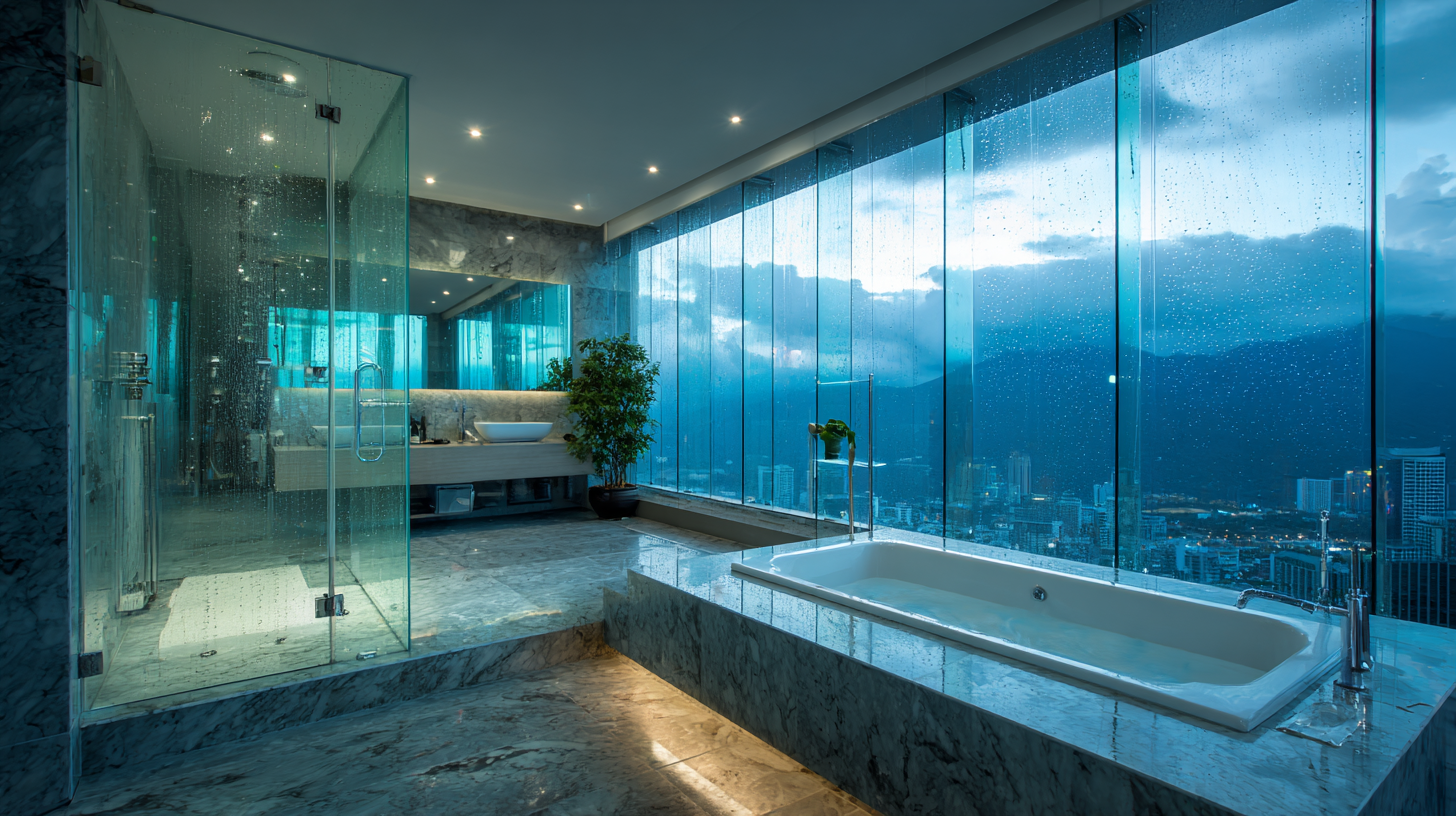
What’s even cooler is that in today’s minimalist designs, waterproof glass plays a key role. There's some research from the International Journal of Architectural Engineering Technology which even shows that buildings decked out in glass facades can increase their perceived value by a whopping 30%—pretty impressive, right? Plus, using waterproof glass means you're not just weather-proofing the structure; you're giving it a fresh, modern look that really makes it stand out. It’s that perfect blend of being functional and stylish that architects love when they're trying to really push the envelope on design!
Impact Resistance: Enhancing Safety with Waterproof Glass Solutions
So, when we're talking about waterproof glass solutions, one big perk is really the boost in impact resistance. You know, recent studies have shown that materials designed to resist impacts can seriously lower the chances of injuries or damages during accidents or even wild weather. Take high-quality tempered glass for example—this stuff is often used for things like table tops or in architecture. It’s super strong and safe, way more than your average glass. Plus, the smooth surface makes cleaning a breeze, and if you throw in the fact that it's so much better at handling impacts, it’s no wonder it’s a go-to for both homes and businesses.
And let's not forget that going for waterproof materials isn't just about looks or how well they function. I mean, think about the rainy season! Using materials that are both waterproof and impact-resistant can really help avoid structural damage and keep things safe. Reports have shown that when you integrate these kinds of advanced materials, buildings become a lot better at standing up to heavy rain. This can really extend their lifespan and cut down on maintenance costs, which is a win-win. As industries start adopting these technologies more and more, materials like polyvinyl butyral (PVB) resins and other innovative lightweight materials are stepping up, showing lots of promise for the future, whether it’s in cars or buildings. It really highlights just how crucial it is to have impact-resistant waterproof glass in the modern construction scene.
Environmental Considerations: The Sustainability of Waterproof Glass Options
So, when you're thinking about materials for your construction or design projects, it's hard to ignore how important sustainability is, especially when it comes to waterproof glass options. One big win with waterproof glass is its durability. Seriously, it really cuts down on how often you need to replace things. Unlike other materials that might wear out after a while, good-quality waterproof glass can handle whatever the weather throws at it, which means your structures can last a lot longer. This not only helps reduce waste, but it also means we don't have to hunt down new materials as often, which is a huge plus for sustainable building practices.
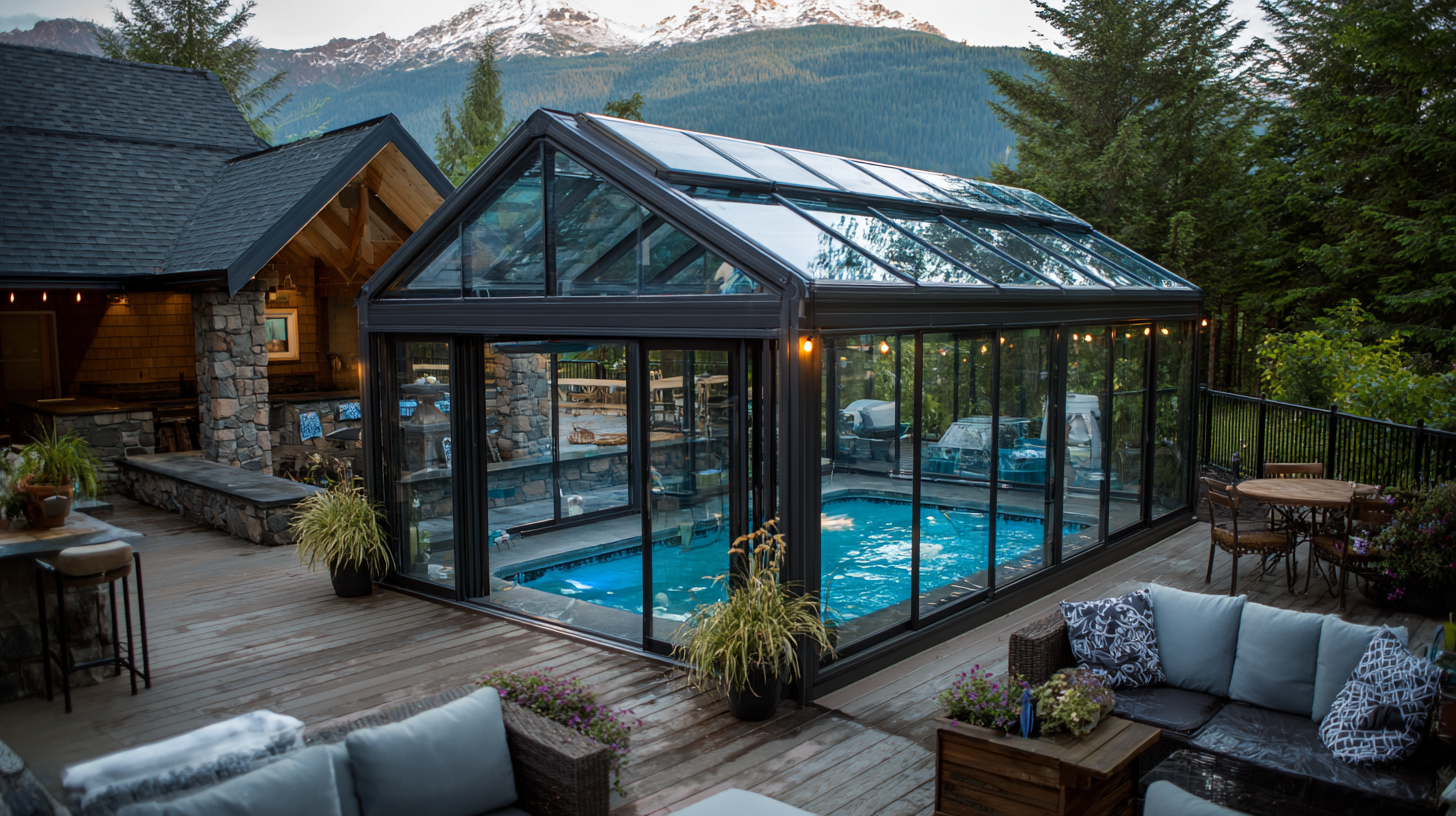
And here's something cool: more and more manufacturers are getting on board and producing waterproof glass using eco-friendly methods. Thanks to advances in recycling, we can now get glass that not only works great but is also made from recycled stuff. This shift doesn’t just save natural resources; it also helps lower the carbon footprint from production. So, by choosing waterproof glass that keeps sustainability in mind, project developers can really make a positive impact on the environment. Plus, it adds some great visual appeal and practicality to their designs, which is a win-win!
FAQS
: Key standards include ISO 12543 for laminated glass, which assesses water resistance, and ASTM E331, which tests a product's ability to repel water under pressure.
Different projects may require varying levels of waterproofing based on factors such as location, climate, and intended use, necessitating adherence to stricter standards in more demanding environments.
Although the initial cost of waterproof glass may be higher than regular glass, it reduces the risk of water damage and costly repairs, leading to significant long-term savings.
Waterproof glass provides better insulation, leading to lower energy bills as heating and cooling systems operate less to maintain comfortable temperatures.
Waterproof glass is easier to clean and resistant to mold and mildew, which can lower maintenance costs compared to standard glass options.
Waterproof glass enhances visual appeal with its sleek and transparent appearance, allowing natural light in and creating an illusion of openness, which can improve occupants' mood and productivity.
It supports modern designs that favor minimalism and clean lines, potentially increasing a building's perceived value by clients, while ensuring structural integrity against the elements.
A report indicates that 61% of architects believe material choice significantly affects the overall visual impact of a building.
Its integration provides a chic, modern finish that can accentuate a building's uniqueness and push the boundaries of modern design.
By allowing more natural light and improving aesthetics, waterproof glass contributes to a more engaging environment for occupants.